

Buy cocaine online
Cocaine: Definition, Types, Effects, Risks, and Drug Facts
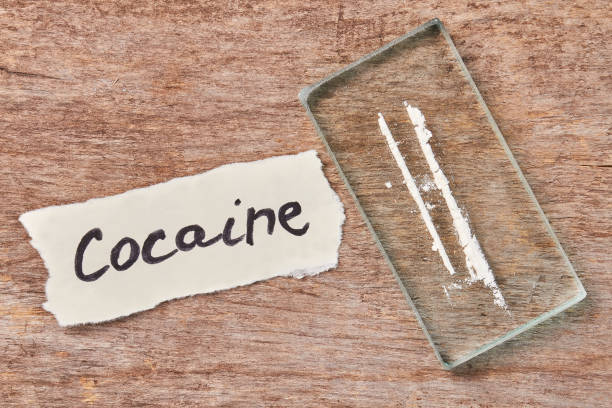
Dec
Cocaine is a highly potent stimulant drug that directly affects the central nervous system. Known by street names like coke, crack, or crack cocaine, it is one of the most dangerous and widely discussed illegal drugs worldwide. Searches such as what is cocaine, crack vs cocaine, and cocaine effects highlight a global demand for accurate and reliable information. This guide provides a comprehensive overview of cocaine, its types, effects, legal status, and public health concerns.
What Is Cocaine?
Cocaine is a psychoactive stimulant derived from the leaves of the coca plant. Unlike opioids or depressants, cocaine increases energy, alertness, and euphoria by interfering with dopamine reuptake in the brain.
Key facts about cocaine:
- It is a stimulant, not an opioid or depressant.
- Causes short-lived but intense effects.
- Highly addictive, even after limited use.
Understanding what coc-aine is helps place it in context among other types of drugs and clarifies its unique risks.
Where Does Cocaine Come From?
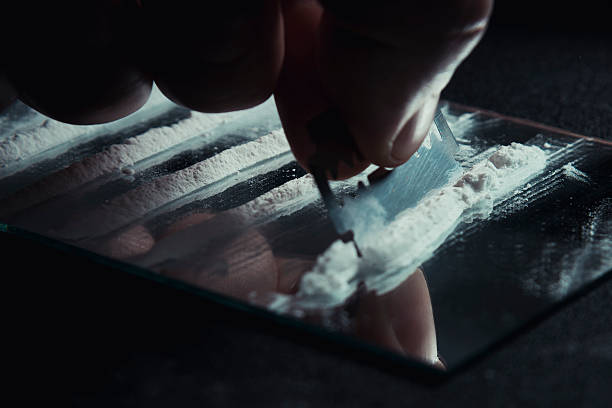
Cocaine originates from coca leaves grown mainly in South America. Traditionally used in indigenous cultures, coca leaves were later processed into coc-aine hydrochloride (HCl), the powdered form commonly seen on the street.
Important points about cocaine origin:
- Coca cultivation occurs in Colombia, Peru, and Bolivia.
- Processed coc-aine is illegal in most countries.
- Its production and distribution are associated with serious crime and health risks.
Chemical Formula and Structure
For scientific understanding, coc-aine has the chemical formula C₁₇H₂₁NO₄. The structure of coc–aine allows it to block dopamine reuptake, causing intense stimulation and reinforcing addictive behaviors.
Why it matters:
- Explains the euphoria associated with coc-aine.
- Clarifies the rapid dependence users develop.
- Supports medical and educational research on drug abuse.
What Does Cocaine Look Like? (Drug Identification)
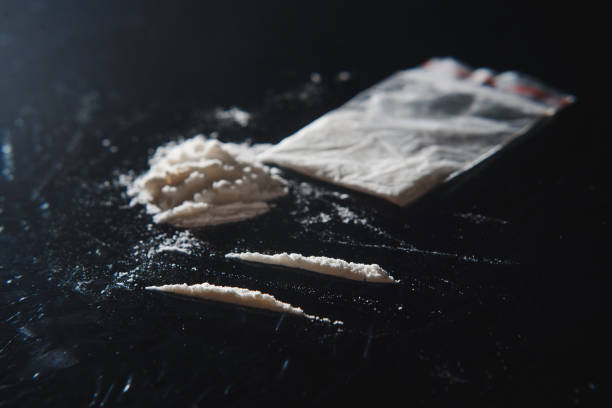
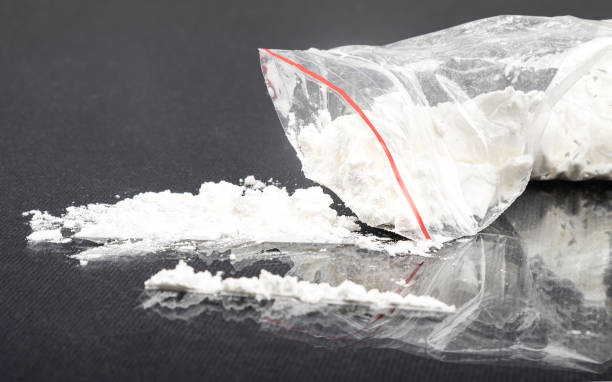
Visual identification is important for awareness and safety:
- Powder coc–aine: white or off-white crystalline powder.
- Crack coc-aine: solid rocks, sometimes called crack rocks.
- Coc–aine bricks/bags: compressed blocks used in trafficking.
⚠️ Appearance does not indicate purity or safety. Even small amounts of coc–aine can be dangerous.
Crack vs Cocaine: Key Differences
One of the most frequently searched topics is crack vs coc-aine. Although chemically related, differences in form and effects exist:
| Feature | Powder Cocaine | Crack Cocaine |
|---|---|---|
| Form | Fine white powder | Solid rock |
| Street Name | Coke | Crack |
| Addiction Risk | High | Very high |
| Effect Duration | Short | Very short, intense |
Both forms of coc-aine are illegal, addictive, and dangerous.
Effects of Cocaine on the Body
Short-term effects of coc-aine include:
- Increased energy and alertness
- Elevated heart rate and blood pressure
- Intense euphoria and hyperactivity
Long-term effects include:
- Addiction (coc–aine addict)
- Heart disease, stroke, and cardiovascular issues
- Anxiety, paranoia, and depression
- Damage to the brain’s reward system
Even occasional coc-aine use carries serious health risks.
Is Cocaine Legal?
Most countries classify cocaine as a Schedule I drug:
- High potential for abuse
- No accepted recreational use
- Strict penalties for possession, trafficking, or production
Rare medical use exists under strict clinical supervision, but recreational coc-aine is illegal worldwide.
History of Cocaine
Understanding history gives perspective:
- Coca leaves have been used for centuries in South America.
- Coc-aine was isolated in the 19th century and initially used medically.
- Its addictive properties led to strict global regulations.
- Today, coc-aine remains a major concern for law enforcement and public health worldwide.
Street Names and Terminology
Coc–aine is known by multiple street names depending on region:
- Coke
- Crack
- Snow
- Blow
- Rock
Awareness of these terms helps in public health education and prevention.
FAQs (AEO Optimized)
What is coc–aine?
Coc-aine is an illegal stimulant drug derived from coca leaves that affects the central nervous system.
Is coc–aine a stimulant?
Yes, coc–aine is a powerful stimulant, not an opioid or depressant.
What is crack coc aine?
Crack coc aine is a solid form of coc aine with faster, more intense effects and higher addiction risk.
Is c*ocaine legal anywhere?
No, recreational coc aine is illegal worldwide. Some medical use exists under strict supervision.
What does c*ocaine look like?
It appears as a white powder (c*ocaine HCl) or solid rocks (crack c*ocaine).
Conclusion
In conclusion, c*ocaine is a highly dangerous stimulant with serious physical, psychological, and social consequences. Whether referred to as coke, crack coc-aine, or coc-aine HCl, the risks remain significant. Educating the public about coc-aine, its effects, and legal status is essential for prevention and global health awareness.
